

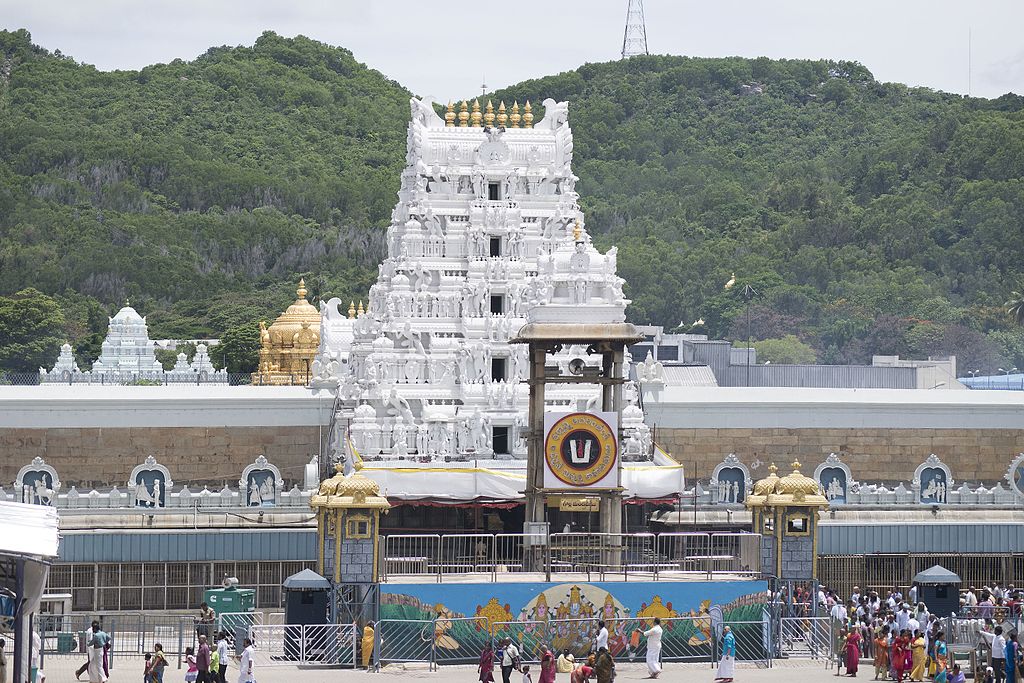
Tirupati, nestled in the Chittoor district of Andhra Pradesh, is one of the most sacred pilgrimage destinations in India. Known as the abode of Lord Venkateswara (an incarnation of Lord Vishnu), the Tirumala Venkateswara Temple attracts millions of devotees each year, making it one of the richest and most visited temples in the world.

Tirupati holds immense spiritual significance as the abode of Lord Venkateswara, an incarnation of Lord Vishnu believed to be the savior of humanity in the present age of Kali Yuga. Devotees revere Tirupati as a place where prayers are answered and wishes fulfilled, often offering their wealth, hair, or other symbolic sacrifices as acts of surrender. The Tirumala Venkateswara Temple atop the sacred Seshachalam Hills is one of the most visited and wealthiest temples in the world, symbolizing unwavering faith and devotion. For millions of pilgrims, a journey to Tirupati is not just a ritual but a profound spiritual experience of seeking blessings, relief from difficulties, and divine grace.
The Seven Hills of Tirumala

Tirumala is situated atop Seshachalam Hills, also known as the “Seven Hills” (Sapthagiri). Each hill represents one of the heads of Adisesha, the cosmic serpent. Pilgrims often consider climbing the steps to the temple as part of their spiritual practice.
The Seven Hills of Tirumala are considered sacred because they represent the seven heads of Adisesha, the cosmic serpent on whom Lord Vishnu rests. Tirumala, where the Sri Venkateswara Temple is located, is also called Sapthagiri (seven hills), and each hill has its own spiritual significance and name:
Seshadri – Symbolizes Adisesha, the divine serpent.
Neeladri – Named after Neela Devi, a consort of Lord Vishnu.
Garudadri – Represents Garuda, the vehicle of Lord Vishnu.
Anjanadri – Believed to be the birthplace of Lord Hanuman.
Vrushabhadri – Associated with the sacred bull Nandi.
Narayanadri – Symbolizes Lord Narayana himself.
Venkatadri – The main hill where the Tirumala temple of Lord Venkateswara stands.
Together, these hills form the spiritual gateway to Tirumala, and pilgrims believe that climbing them (through Alipiri or Srivari Mettu) is an act of devotion and surrender to the Lord.
Alipiri Mettu: ~3,550 steps, 8 km trek, traditional entry point.
Srivari Mettu: ~2,400 steps, 2.1 km trek, shorter but steep.
Rituals & Offerings at Tirupati
Visiting Tirupati is not just about darshan; it is also about participating in the ancient rituals and offerings that symbolize faith, humility, and devotion. Pilgrims follow age-old traditions that make the spiritual journey deeply meaningful.
1. Tonsuring (Mundan)
Many devotees offer their hair to Lord Venkateswara as a mark of surrender and gratitude. It signifies shedding one’s ego and pride. Tonsure facilities are available at Kalyanakatta in Tirumala.
2. Thulabharam
In this ritual, devotees sit on one side of a weighing balance while offerings like jaggery, rice, coins, sugar, or fruits are placed on the other side, equal to their weight. It symbolizes giving oneself entirely to the deity.
3. Sevas (Special Pujas)
The temple conducts several daily and weekly sevas (ritual services). Some popular ones include:
Suprabhatam Seva – Waking up the Lord early morning with hymns.
Thomala Seva – Decoration of the deity with fresh flowers.
Arjitha Brahmotsavam – Mini version of the grand Brahmotsavam festival.
Kalyanotsavam – A symbolic divine wedding ceremony of Lord Venkateswara with Goddess Padmavathi.
(Seva tickets must be booked in advance through the official TTD website.)
4. Prasadam
The world-famous Tirupati Laddu is offered as prasadam. Other prasadam like pulihora (tamarind rice), daddojanam (curd rice), and chakkara pongal (sweet rice) are also distributed to devotees.
5. Hundi (Offering Box)
Pilgrims donate money, gold, or valuables in the temple’s hundi as an offering of gratitude. This tradition has made Tirumala one of the wealthiest religious institutions in the world.
Types of Darshan at Tirupati
The Tirumala Tirupati Devasthanams (TTD) offers several types of darshan to accommodate the huge number of devotees. Each has its own eligibility, waiting time, and booking process.
1. Sarva Darshan (Free Darshan)
Available to all devotees without any cost.
Pilgrims wait in long queues, sometimes 8–12 hours.
Recommended for those who cannot book in advance.
2. Special Entry Darshan (₹300 Ticket Darshan)
Also called Seegra Darshan.
Costs ₹300 per person.
Can be booked online in advance.
Waiting time is shorter (2–3 hours on average).
3. Divya Darshan
Reserved for pilgrims who walk up the hills via Alipiri Mettu or Srivari Mettu paths.
Free of cost.
Special token is issued during the trek.
4. VIP Darshan
Available through recommendation letters (government officials, ministers, or senior TTD authorities).
Faster access but restricted to specific eligibility.
🔗 Official Online Booking Link (TTD): Tirumala Tirupati Devasthanams – Online Services
(It is always recommended to book tickets well in advance, especially during festivals and weekends.)
Suggested Itinerary for Tirupati Pilgrimage
Day 1 – Arrival & Darshan at Tirumala
Morning / Afternoon
Arrive at Tirupati (by train, flight, or bus).
Freshen up and check in at your booked accommodation (either in Tirupati town or on Tirumala Hills).
If staying in Tirupati, travel up to Tirumala by APSRTC bus or private taxi.

Evening
Head for Special Entry Darshan (₹300) or Sarva Darshan (free) depending on your booking.
Collect Tirupati Laddu Prasadam after darshan.
Visit nearby Silathoranam (Natural Arch) and Chakra Theertham if time permits.
Dinner and overnight stay at Tirumala.
Day 2 – Temples Around Tirupati
Morning
Visit Sri Padmavathi Ammavari Temple (Tiruchanur) – dedicated to Goddess Padmavathi, consort of Lord Venkateswara.
Visit Sri Govindaraja Swamy Temple in Tirupati town.
Explore Kapila Theertham (a Shiva temple at the base of Tirumala hills).
Afternoon
Lunch and some rest.
Optional visits: ISKCON Temple, Chandragiri Fort (for history lovers), or local shopping for handicrafts and prasadam.
Evening
Return journey back home with blessings of Lord Venkateswara.
Optional Add-on (for those with extra time)
Trekking pilgrims can walk via Alipiri Mettu (8 km, ~3–4 hours) or Srivari Mettu (2.1 km, ~1.5 hours) to Tirumala. They are eligible for Divya Darshan.
Attend special Sevas like Suprabhatam (early morning) or Kalyanotsavam (must be booked online in advance).
How to Reach Tirupati
By Air: Tirupati International Airport (Renigunta) is well connected with cities like Chennai, Hyderabad, and Bangalore.
By Train: Tirupati Railway Station is connected to all major Indian cities. Renigunta station, 15 km away, is another major junction.
By Road: Buses from Chennai (135 km), Bangalore (250 km), and Hyderabad (570 km) operate frequently.
Best Time to Visit
Peak Seasons: Brahmotsavam (Sept–Oct), Vaikuntha Ekadashi (Dec–Jan), New Year, and summer holidays. Expect huge crowds. 

Off-Peak: Feb–March and July–August, when waiting times are shorter.
Accommodation Options
TTD Guest Houses & Cottages (online booking via TTD website, affordable rates).
Private Hotels in Tirupati: Wide range from budget to luxury (Marasa Sarovar Premiere, Fortune Select Grand Ridge).
Free Dormitories: Provided by TTD for budget pilgrims.
Must-Visit Places Around Tirupati
Sri Padmavathi Ammavari Temple (Tiruchanur) – dedicated to the consort of Lord Venkateswara. 

Kapila Theertham – a Shiva temple with waterfalls. 

Sri Govindarajaswami Temple – one of the oldest in Tirupati. 

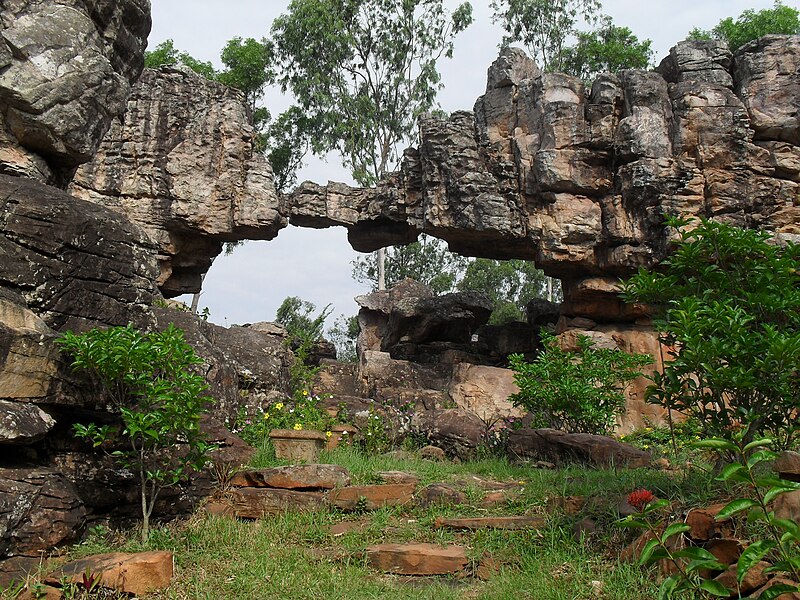
Silathoranam (Natural Arch) – rare geological rock formation near Tirumala. 
Chandragiri Fort – for history and scenic views. 

Tips for Pilgrims
Book darshan tickets and accommodation well in advance on the official TTD website.
Carry minimal belongings – lockers are available for mobiles and luggage.
Dress modestly (men in dhoti/pants and shirt; women in saree/salwar).
Expect long queues – patience is part of the pilgrimage.
Don’t miss the Tirupati Laddu Prasadam.
A pilgrimage to Tirupati is more than just a temple visit – it’s a spiritual journey of faith, devotion, and humility. Whether you walk up the sacred hills, participate in rituals, or simply seek blessings, Tirupati promises a divine experience that stays with you forever.